
Balinese Culture: Customs and Etiquette for Tourists
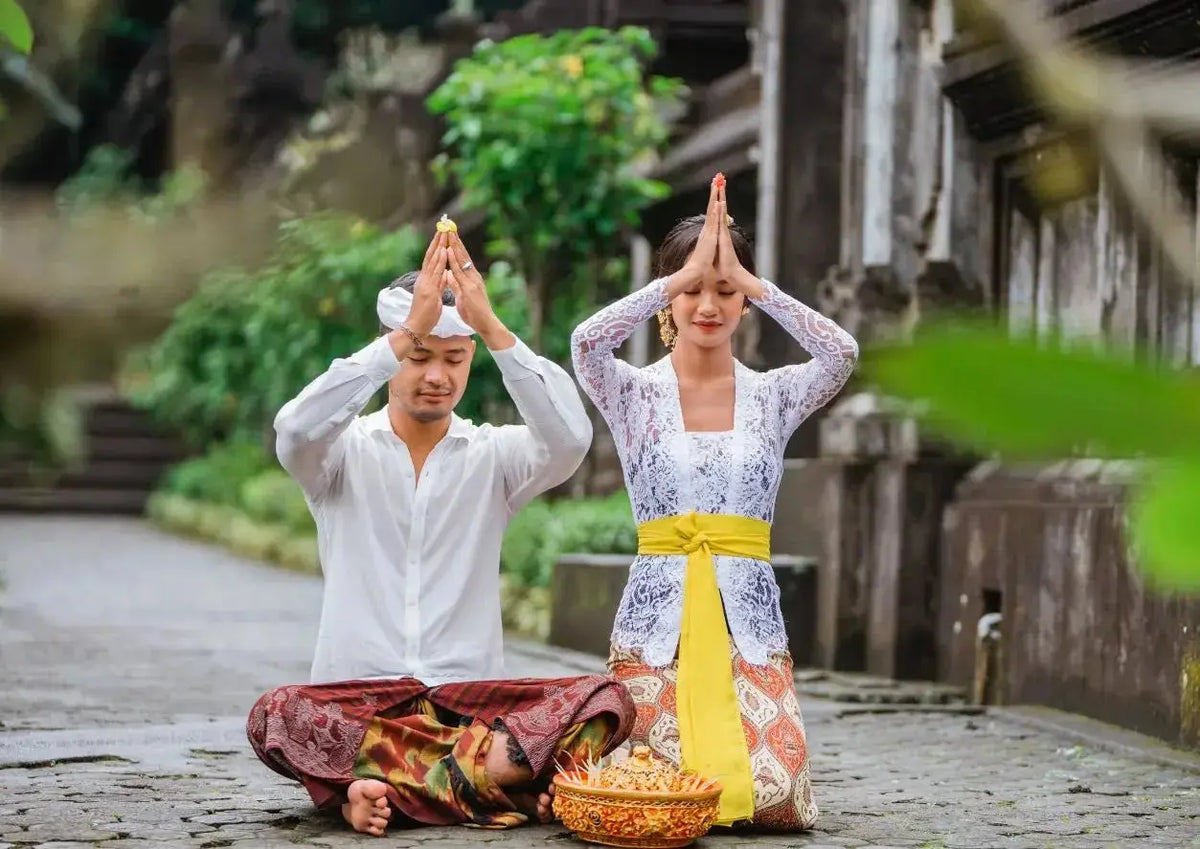
Balinese culture is rich in traditions, ceremonies and unwritten rules. In this guide, you'll learn what you need to know about Bali customs – from temple visits and dress code to everyday courtesy – so you can travel with respect and confidence.
Bali is more than beautiful beaches and exotic hotels. The island has a strong, living culture that shapes daily life, ceremonies and the way the local people welcome visitors. As a tourist, it’s wise to know a few basic customs – both out of respect and to get an even richer experience from your trip.
Here’s the most important things to know about Balinese culture and etiquette before you travel.
Religion and daily life in Bali

Bali is unique in Indonesia because most of the population practises Balinese Hinduism. The religion is visible everywhere: small offerings (canang sari) on pavements, in shops and at entrances, daily prayers and ceremonies, and large temple festivals several times a year. Never step on the offerings – walk around them where you can.
Clothing – what’s appropriate?

Bali is relaxed, but respecting local norms matters. On the beach, shorts, bikinis and swimwear are perfectly fine. In villages and towns, a T-shirt and shorts or a dress are recommended. In temples, shoulders and knees must be covered – a sarong and sash are often required and can be rented or borrowed at the entrance.
Temple rules you should know
When you visit temples in Bali: take off your shoes if required, don’t climb on temples or statues, and avoid loud behaviour and disrespectful photography. Traditionally, women who are menstruating should not enter temples – a norm that is respected locally.
Politeness and body language
Small details mean a lot in Balinese culture. Use your right hand when giving or receiving something. Don’t point at people with your finger – use an open hand. The head is considered sacred, so avoid touching people on the head. A smile and a calm voice are always appreciated.
Photography and respect
Bali is extremely photogenic – but always ask before photographing individuals. Avoid close-ups during ceremonies without permission, and don’t fly a drone near temples or religious events without approval.
Ceremonies and festivals

You’ll probably see ceremonies during your stay. Nyepi (the Day of Silence) is the Balinese Hindu New Year – the whole island shuts down: no transport, no flights, no outdoor activity. Weddings, cremations and temple festivals are common and open to onlookers, as long as you show respect. They are often the highlights of a Bali trip.
How do the Balinese treat tourists?
The Balinese are known for being friendly, respectful and patient. A smile and a simple “thank you” or “terima kasih” go a long way – and show that you’re genuinely interested in meeting the culture on its own terms.
Summary
Showing respect for Balinese culture makes your trip both richer and more meaningful. Small gestures lead to better encounters with the local people – and memories that last a lifetime.
We help you experience the real Bali – safely, respectfully and authentically, with local knowledge and personal service.
See all day trips → See all trips →
Want to experience Balinese culture up close? We include temple visits and local culture in all our package trips.
See all package trips from $1,799 →
"Great service from A to Z! Really easy to communicate with and get information about when and what! Makes the trip easy so we can just enjoy Bali to the fullest."
Sandra EekGoogle review · ★★★★★